From Hawaiʻi to Horror: Mapuana Makia Finds Warmth in the World of Carrie
Mixed Asian Media - November XX, 2026
By Sam Tanabe
High school is terrifying enough without adding telekinetic powers and pig’s blood into the mix. Stephen King’s iconic novel Carrie has seen life as a movie, an Off-Broadway musical, and now Mike Flanagan is bringing Carrie into the social media age with a new series on Prime Video. I’m sat for the blood, drama, and complicated mother-daughter dynamics.
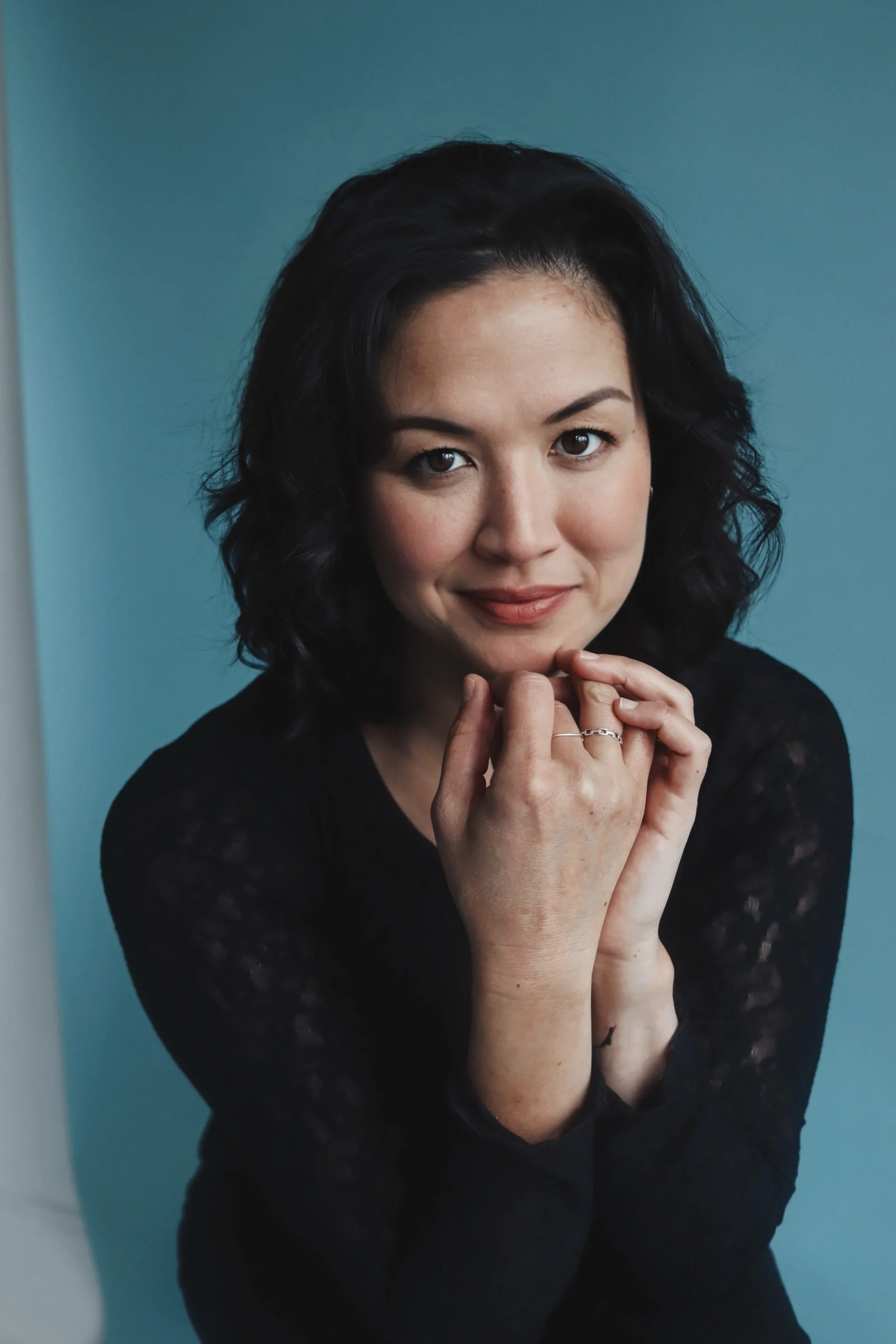
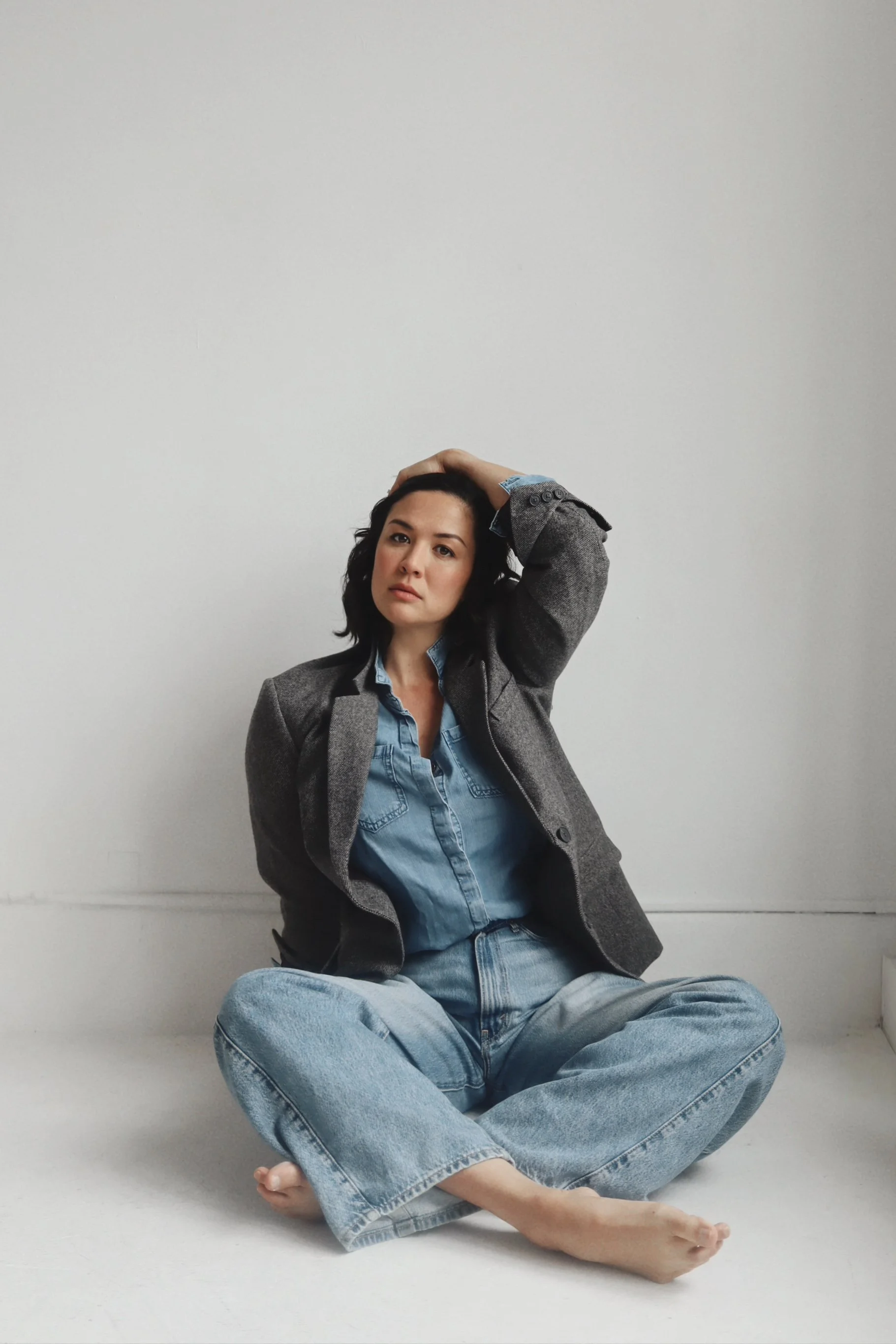
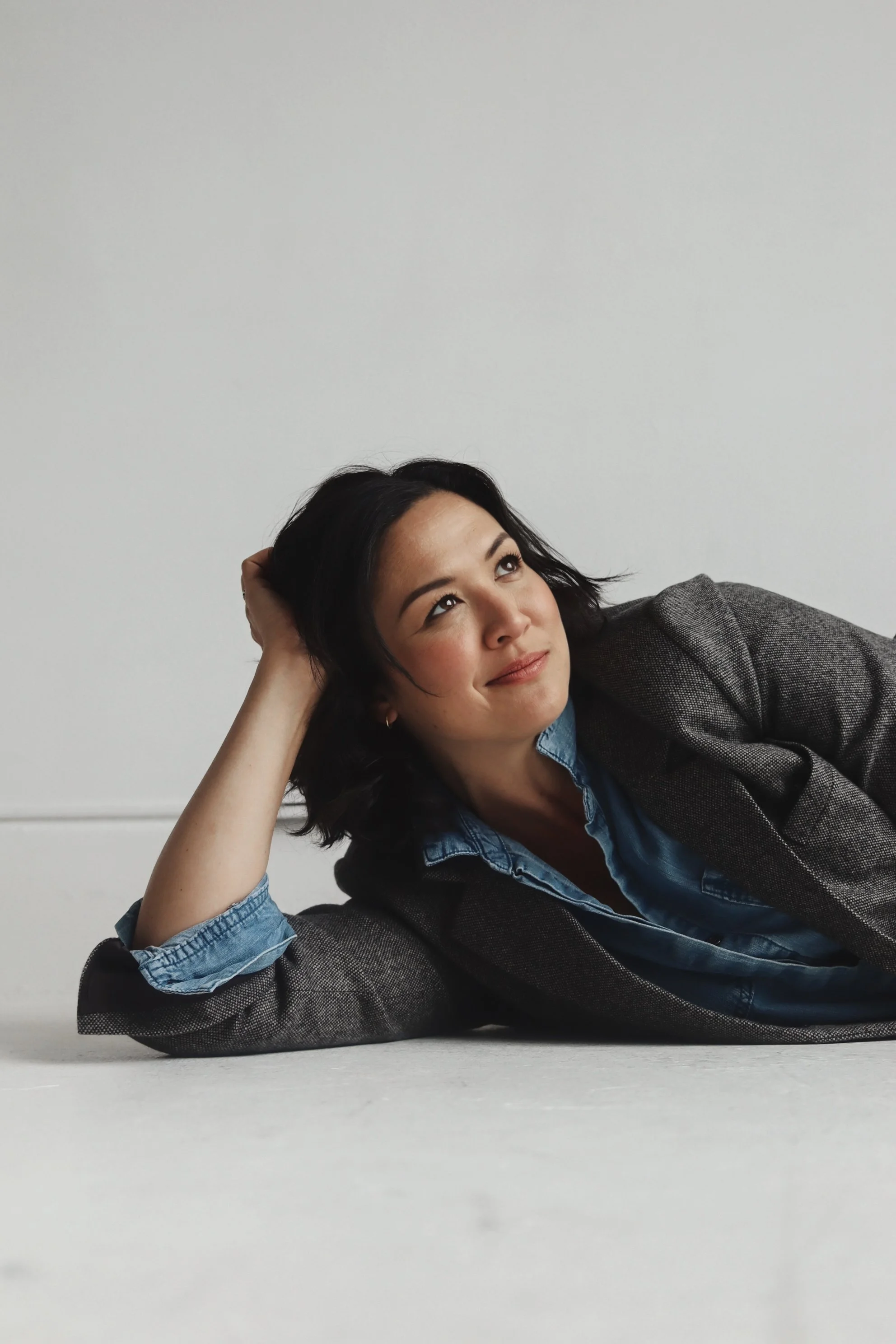
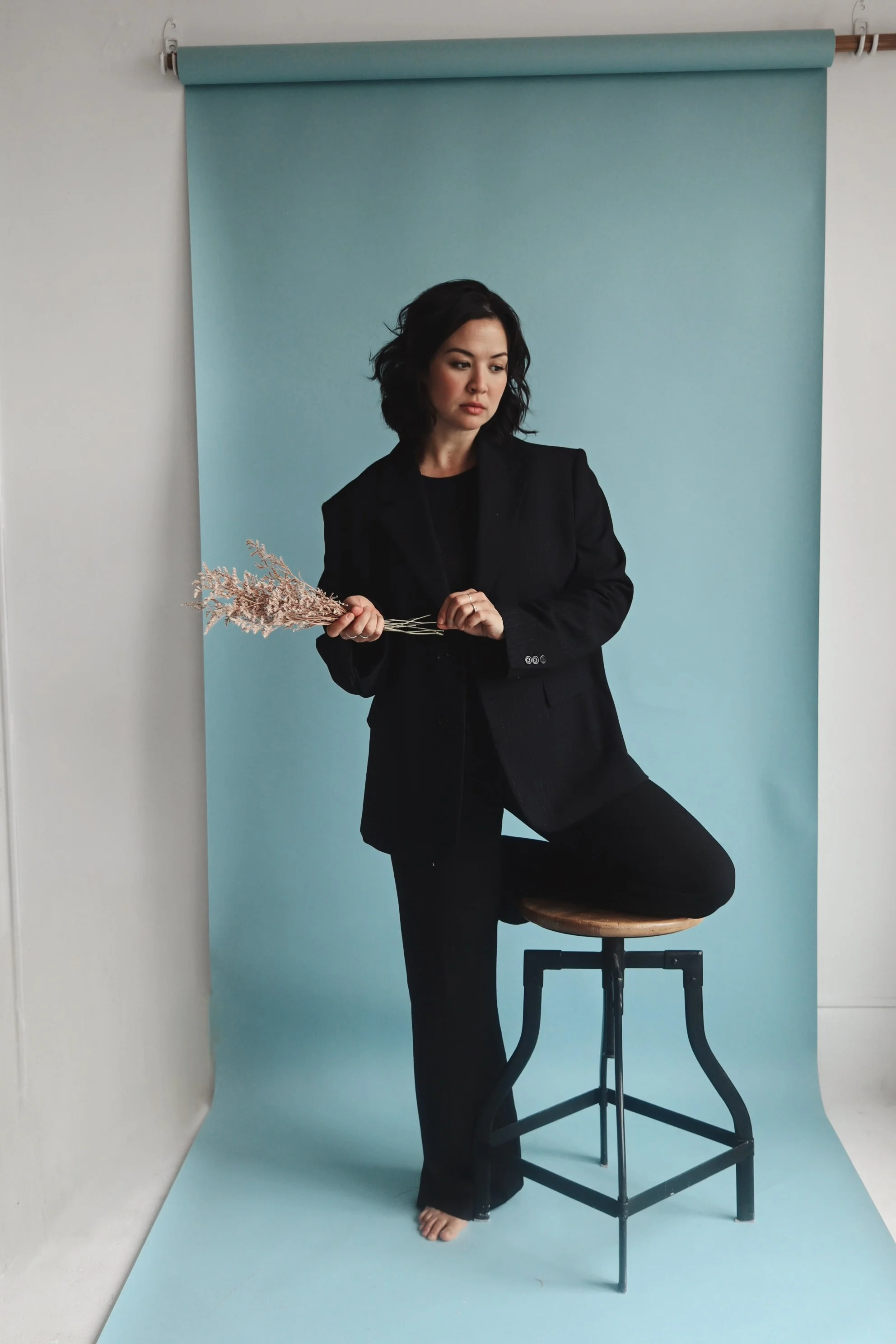
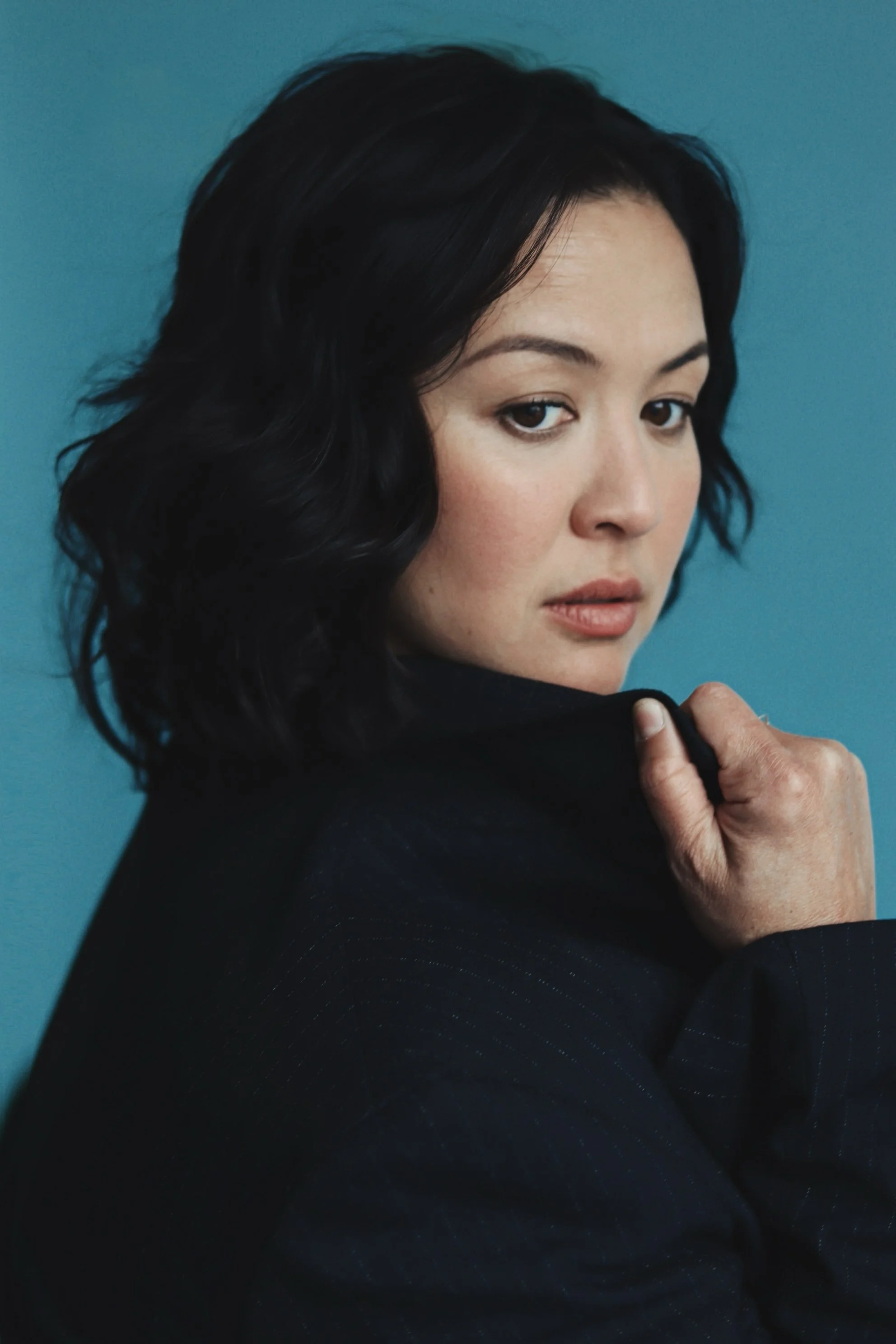
Joining this reimagining is Mapuana Makia, who plays Eleanor Snell, a character whose warmth offers a rare moment of solace in Carrie’s increasingly chaotic world. Mapuana may be a familiar face to fans of Doogie Kamealoha, M.D. on Disney+ (which founder Alex Chester-Iwata and I covered for MAM back in 2021). In Carrie, Mapuana brings a sense of cultural warmth and authenticity to this tale of bullying, belonging, female relationships, and rage.
I so appreciated Mapuana’s gracious energy and willingness to share with MAM about growing up multicultural in Hawaiʻi, why representation that reflects the diversity of our everyday lives matters, and a reminder that we could all afford to be a little nicer to each other on social media.
*THIS INTERVIEW HAS BEEN LIGHTLY EDITED AND CONDENSED FOR CLARITY.
Interview
Before diving into Mixed Asian Media’s normal cadence of how your cultural heritage impacts your work and feelings on representation, I would love to know… are you a horror fan? If so, what’s your favorite scary movie, book, series, or anything?
I first developed my love of horror as a kid! I loved Scary Stories To Tell In The Dark, Tales From The Crypt. I loved Chucky. I thought he was funny. When I was little I appreciated any horror that incorporated comedy to it. My all time favorite? The Shining.
I had a dream once that Chucky was chasing after me. Right as he was about to stab me, he whispered, "Say your line!" It’s my favorite actor's nightmare to date.
As someone multicultural from Hawaii, how has your relationship with your identity evolved over the years? Are there parts of your heritage that you’ve grown to appreciate or understand differently as you’ve gotten older and moved to the Mainland?
Great question, Sam. I've really learned to appreciate the warmth and love that I grew up with in my community. Big aunty hugs, food everywhere, laughs, music. There's a sunniness that lives inside of me because of that upbringing. Now that I live on the Mainland, I always have a soft spot for projects related to home and am always inclined to be a part of them. It keeps my relationship with home close. I'm really proud to represent native Hawaiian characters on screen — or in any capacity in entertainment.
What was your reaction to this new version Carrie, and what excited you about joining a world that audiences may already know? How did you approach making your character your own while honoring the spirit of Stephen King’s original work?
This project was a particularly special one for me. Getting to be a part of both a Mike Flanagan and Stephen King story is a highlight of my career. The most impactful part of this version is shining a light on modern bullying through social media, but I also think the exploration of female relationships and female rage is my favorite aspect of this adaptation.
Mrs. Snell is a small part in King's novel. What did Flanagan's version give her that the book didn't?
I think Eleanor Snell represents a small and brief solace for Carrie within the community. Eleanor and Sue represent such a contrast in the mother/daughter relationship, and I think seeing that polarity in the story adds to the impact of Carrie's story and the audience's relationship to her world.There is a messy warmth to Sue's world that contrasts the world Carrie faces at home.
One striking aspect of this adaptation is its diversity, including the resemblance between you and Siena Agudong, who plays your daughter. Even in 2026, I’m delighted when I recognize mixed-Asian families on screen. What does it mean to you to see this kind of representation within a story as iconic as Carrie?
I love that I got to play Siena's Mom. She's such a gem. I loved how much diversity lived in this adaptation. As a whole in storytelling, I am always really delighted to see representation that is simply part of the story. Not there for novelty but to represent what everyday life looks like in our diverse communities!
Alex and I covered the release of Doogie Kamealoha (which you were in!) for Mixed Asian Media. The settings for Doogie and Carrie are so geographically and culturally different. Do you feel like your identity has given you different or particular perspectives when it comes to these two shows?
For Doogie Kamealoha, it felt like I was representing our community in Hawai'i. Noelani Nakayama wasn't far from me at all. For Carrie — as I've mentioned in some of my previous answers — again, there's a warmth and closeness through getting by in the day to day that felt prevalent in the Snell household.
This version of Carrie takes place in a world of smartphones, social media, and online scrutiny, where bullying affects teenagers in ways you and I didn’t experience in our high school days. As an actress portraying a mother in that environment, what feels especially relevant or frightening about the way young people experience peer pressure and cruelty today?
What feels frightening is the removal of actual interaction. It's much harder to say something mean when you're face to face. Honestly, Sam, this question could be an entire study of this period in humanity, couldn't it? I can't speak to how much it has affected or even ended people's lives. I just hope that through this storytelling, as a whole, not just teenagers but all of us find our way closer to empathy and kindness on social media.
Horror often explores the darker sides of human nature, including the consequences of exclusion and the desire to belong. Do any of those themes resonate with you as a mixed race individual?
Again — a question we could do an entire study on! This question reminds me of the desire to belong within my community and not always feeling like I have belonged. Being mixed race has both a cool and unique feeling, but it also comes with a "not-enough" of anything feeling sometimes too. It also brings up belonging in both Mainland and Hawaiian local culture. I didn't know that "code-switching" was something I've been doing for decades. What a fascinating thing our bodies and minds do to be seen, right?
Looking at the industry today, where do you think we're making meaningful progress in the representation of mixed (or monoracial) Asian and Pacific Islander performers, and where is there still work to be done?
Getting to see shows like Chief Of War on a network like Apple feels like meaningful progress. I remember when Whale Rider and Once Were Warriors were some of the only films I referenced as a Polynesian, and now it feels like more stories are making their way into the global spotlight.
The work I’m excited to see in the future involves stories told by the many mixed-race directors, producers and writers who are developing their work and creating representation in all aspects of production. Imua kākou!
End of Interview
A mahalo nui loa to Mapuana for taking the time to chat with me! Even in the darkest horror stories, there's room for warmth, empathy, and a little more representation. Be sure to catch Mapuana in Carrie, now streaming on Prime Video. And remember: not too much now online, keyboard warriors. You could be bullying the next Carrie White!
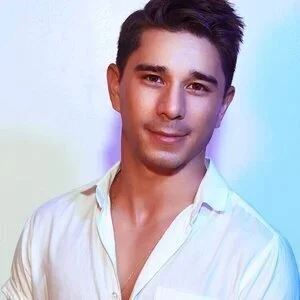
Sam (he/him) is a NYC-based actor and writer. Struggling to find his identity as a mixed race actor led this kawaii yonsei hāfu Bb to help build Mixed Asian Media as a co-founder. Sam has performed on Broadway (as part of the original company of Allegiance, the musical inspired by George Takei’s experience in the Japanese internment camps), Off-Broadway, in theatres across the country, and on TV. He was honored as one of the Top 50 Unsung Heroes at Asian Hustle Network's Uplifted Conference and has spoken on panels/events as a mixed Asian artist for NYU, The Mixed Space, AAPI Democracy Project, and more. You can find Sam around Manhattan with a bubble tea in hand, and online at @tanablems.