Sara Chia-Jewell's Dress Up Breaks Down the Boxes Mixed People Are Forced Into
Mixed Asian Media - April 17, 2026
By Angela Wong Carbone
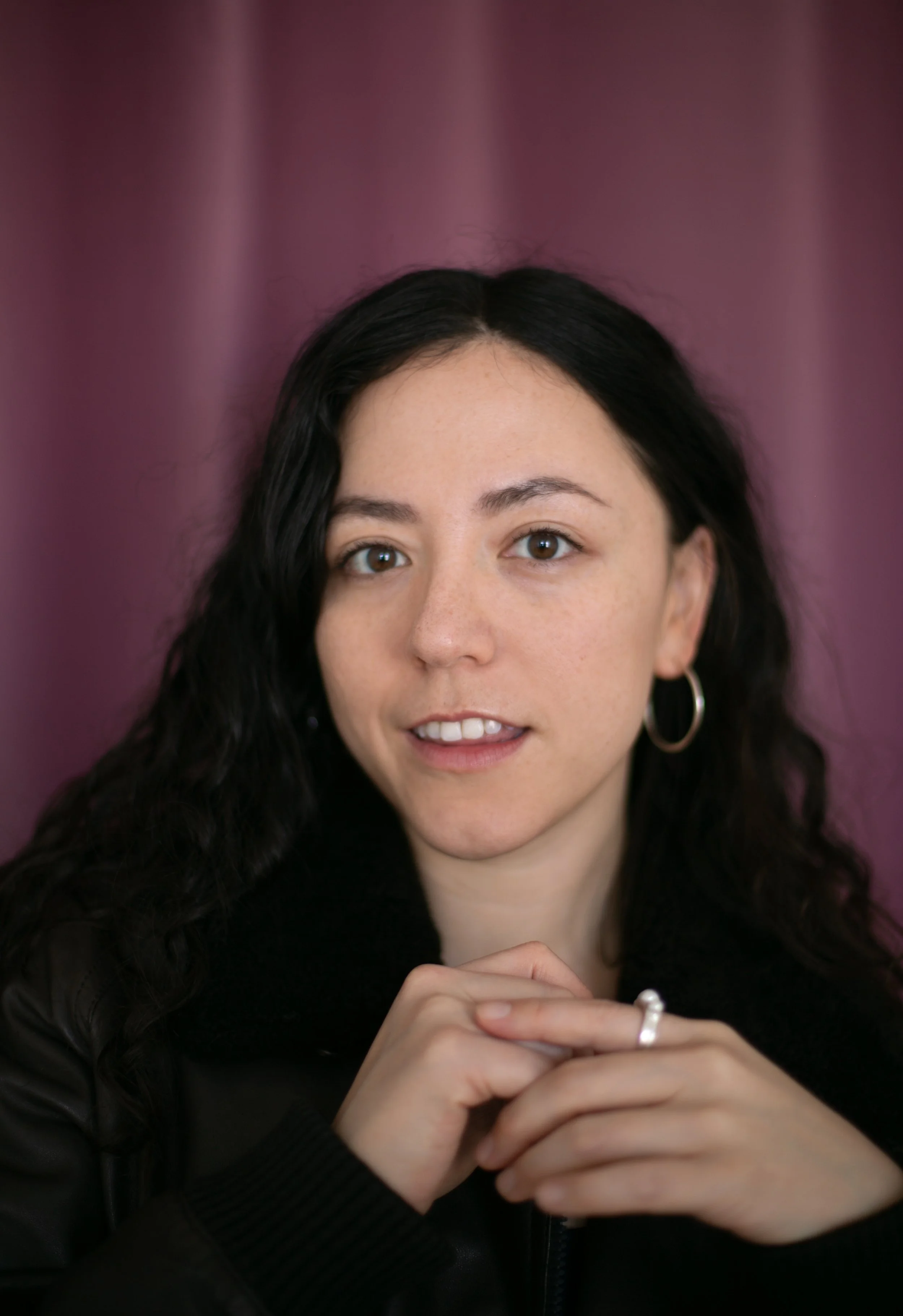
Photo Credit: Desa Films
Sara Chia-Jewell’s new short film invites us to break down the barriers that keep us in boxes. The filmmaker and actor’s short on Omeleto, Dress Up, dissects the identities that mixed people find themselves having to justify on a daily basis. MAM’s Angela Wong Carbone chatted with Chia-Jewell about representation, wish lists and film influences.
This interview has been edited for clarity and length.
Interview
Angela Wong Carbone: Dress Up is one location, with a very simple premise, but you do a lot with the camera work and the way that it's composed. It feels very Dogma 95. Tell me how you came up with the idea.
Sara Chia-Jewell: Dress Up is really just capturing my experience as a mixed-heritage individual and actor. I was literally walking in the park and going through conversations that I've had. The dialogue came first. Then I started visualizing it. That’s when the concept of this box framing and its theme came about.
I can't think of another film where I really felt the physical distance and shot composition between characters like that. What defined that box for you?
It's a box of other people's lenses. A box only exists in the lens of someone else. As humans, we exist in the gray; we don't necessarily want to put ourselves in boxes. This box, how we're perceived, is external. It felt very stifling, and that's where I hope the film can connect with an audience. I hope a wider audience can also connect with the film in the sense of not wanting to be constrained.
It was really important to me to cast someone likable in Tim Downey’s role, because even though there is this box, I didn't want the film to put blame on anyone. I don't think it's easy to point fingers. He’s genuinely trying to do his job, and the frustration lies more with the bigger picture than with one person.
It feels like the character is trying to be understanding and specific …
He's trying to be correct.
Society is really fixated on that right now. There are a lot of conversations about representation and how we make it better. There's a lack of imagination when it comes to mixed people. It’s almost as if there's no room for the in-between.
Admittedly, we are far away from anything utopian. But, in my little dreamland, I would love to live in a world where we are casting not because of how you expect someone to look but because of someone's connection to that culture, to that story. We are so far away from that. I would love to see, for example, someone who has African American and Chinese heritage cast in a Chinese-centered film.
We need to be able to see the world, especially when it comes to mixed representation, through a spectrum. We live in a global system. What does good representation look like to you?
Good representation to me is always about who’s telling the stories. Who is getting the opportunity to be in this industry and to be at the top, the gatekeepers of what stories are getting told, what's getting funded? How we fix that is such a big conversation that probably digs into capitalism and patriarchy.
I want to see people who are aware of all the colors, right? It's not black and white. It's the complete rainbow of colors of the human experience, and taking the risks to tell those stories.
Are there any unexpected things about how you feel you're perceived as an actor or as an artist in this space? What are the myths that exist about you, and what are the things that you wish you could represent more of about your culture?
Something that springs to mind is that I would love to represent Malaysian culture. Even in Malaysia, people don't believe I'm Malaysian. I have to whip out my patois. I have to prove myself.
I'd like to bust the whole thing of “oh, you're not this enough, you're not that enough.” As an actor, I've been told, “you're never, so you're never going to play an English rose.” I had an agent ask if I could wear a cheongsam to my headshots and put my hair in a bun to look more Chinese.
We need to create spaces for us with complexity and specificity.
When I speak to people, some of the first questions can be about my ethnicity or where I come from. What would be a better first question from a stranger?
I'd rather be asked what film I like.
Favorite films?
I’ve been enjoying this French filmmaker called Quentin Dupieux. Have you heard of him?
Yeah. Mr. Oizo! I’m a big fan of his music and films.
What he's doing is wild. A very modern surrealist filmmaker who is self-funding his films, so he doesn't have to answer to a studio. I am influenced by Greek New Wave and French New Wave. But I also love RoboCop.
Films are almost like seasons. Depending on what you're going through in life, you find a different film to be your bestie.
End of Interview
Dress Up is available to stream on Omeleto now!
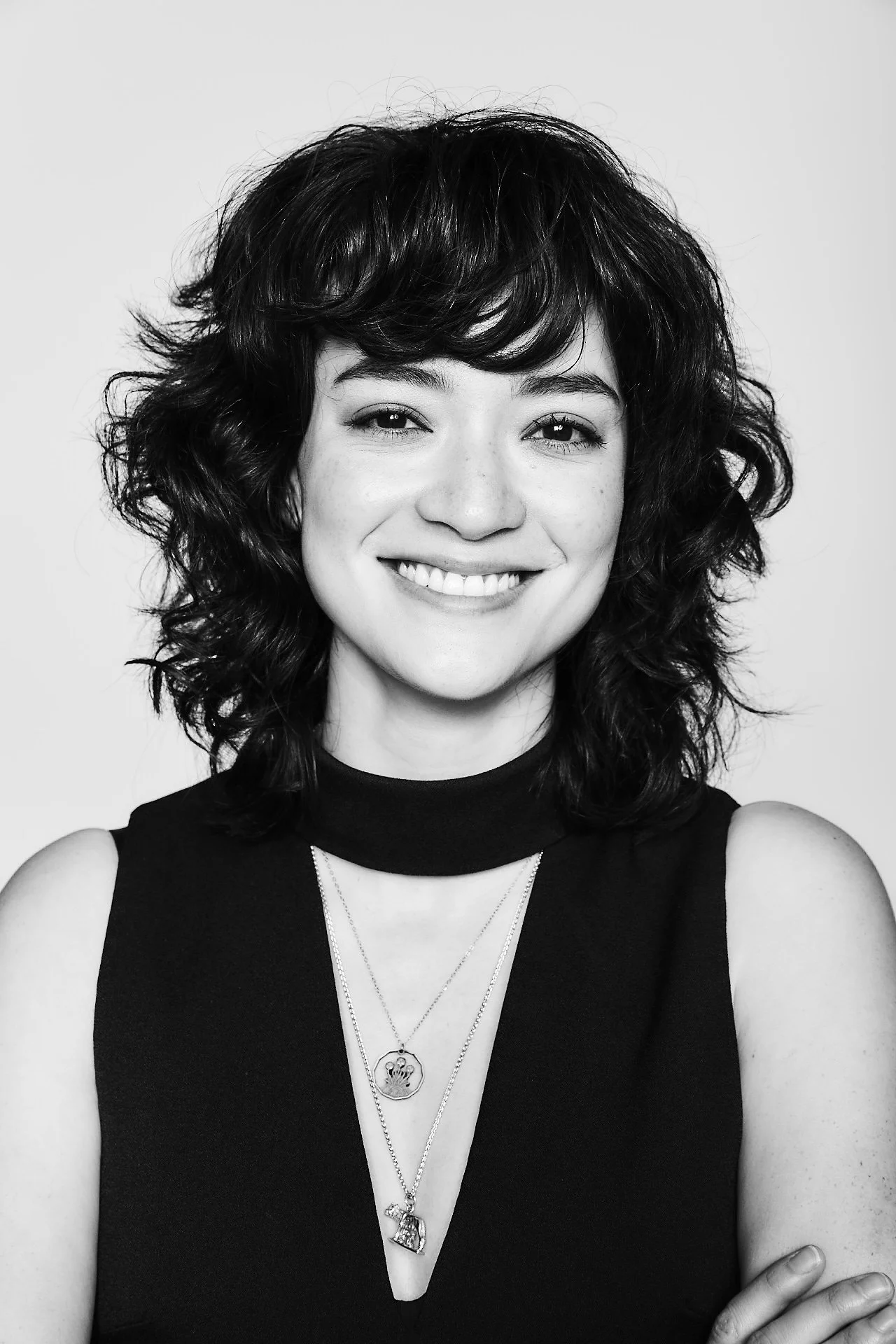
Angela Wong Carbone (she/her) is a decorated actor and writer. Her writing has been recognized by AT&T Hello Lab, Hillman Grad’s mentorship program, The Gotham, Slamdance and others. Raised in New York by an immigrant Chinese mother and Italian American father, Wong Carbone’s personal curiosity toward identity saturates her writing and she has contributed to Eileen Kelly’s Killer and a Sweet Thang and Lulu Gioiello’s Far Near. As an actor, Wong Carbone has starred in NBC’s Chicago Med, AppleTV+’s WeCrashed and IFC Films’ Resurrection. In 2020, she was selected for the 19th annual ABC Talent Showcase. Wong Carbone holds a degree in architecture from Cornell University and makes a mean lasagna.